Division of Drinking Water
Monitoring "Forever Chemicals" in our Drinking Water
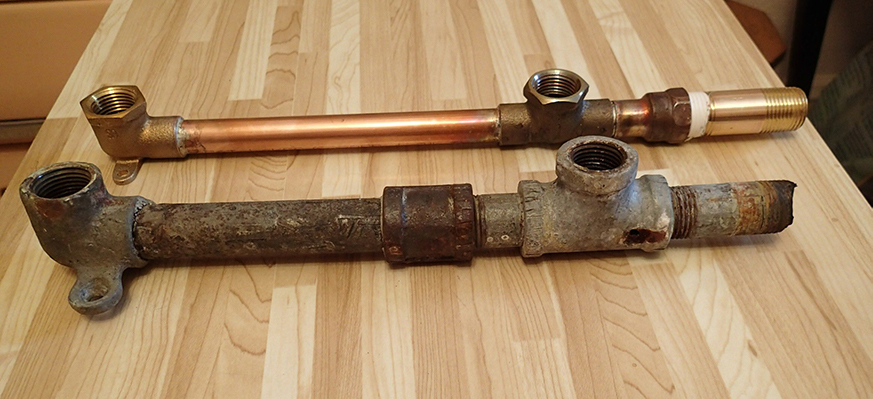
Lead and copper are naturally occurring metals that have often been used in indoor plumbing. Pipes and plumbing may contain lead, copper, or their alloys, such as brass; some solder used at copper pipe joints may also contain lead. Water, particularly corrosive water, can dissolve small amounts of these metals into drinking water. The potential for leaching increases the longer the water is in contact with plumbing components.
Exposure to lead and copper may cause health problems ranging from stomach distress to brain damage. Both lead and copper are harmful when ingested, but lead is more toxic because it can accumulate in the body. Lead damages the brain, nervous system, kidneys, reproductive system, and red blood cells. It is more toxic to children than to adults, and it can harm their mental and physical development. Copper is much less toxic than lead; however, elevated levels of copper for 14 days or more can cause permanent kidney and liver damage in infants under the age of one year and it can cause nausea, vomiting, and diarrhea in people of all ages.
On June 7, 1991, EPA published a regulation to control lead and copper in drinking water. This regulation is known as the Lead and Copper Rule. The treatment technique for the rule requires systems to monitor drinking water at customer taps. Because lead and copper in drinking water is mainly due to the corrosion of service lines and household plumbing, tap water samples are collected at kitchen or bathroom taps of residences and other buildings.
If lead concentrations exceed an action level of 15 parts per billion (ppb) or copper concentrations exceed an action level of 1.3 parts per million (ppm) in more than 10 percent of customer taps sampled, the system must undertake additional actions such as corrosion control treatment (CCR).
Lead
Lead is a toxic metal that was used for many years in products found in and around homes. Although lead is found in nature, most exposure comes from human activities or use. Lead-based paint and lead-contaminated dust are the primary sources of exposure for children. Lead is sometimes used in plumbing materials or in water-service lines used to bring water from the main line to homes, schools, or other buildings.
Copper
Copper is a naturally occurring metal found in rock, soil, water, and sediment. Pure copper is red-orange but becomes blue-green when exposed to air and water. Copper is used in many different products, including wire, plumbing pipes, and sheet metal. Pennies made before 1982 are made of copper, while those made after 1982 are only coated with copper. Copper is also combined with other metals to make brass and bronze pipes and faucets.