Division of Air Quality
About the Division of Air Quality
At the Division of Air Quality (DAQ), we are responsible for protecting public health and the environment from the harmful effects of air pollution. We monitor air quality conditions, develop comprehensive plans to reduce pollution, and work with businesses and the public to ensure compliance with state and federal air quality regulations.
On this page: Our mission | What we do | Our leadership and governance | Contact us | Frequently Asked Questions | Annual reports
Our mission
To achieve and maintain levels of air quality which will protect human health and safety, and to the greatest degree practicable, prevent injury to plant and animal life and property, foster the comfort and convenience of the people, promote the economic and social development of this state, and facilitate the enjoyment of the natural attractions of this state.
What we do
The work of the Division of Air Quality is organized into three main branches:
- Permitting branch: Issues pre-construction and operating permits to new or modified sources of air pollution.
- Planning branch: Develops State Implementation Plans (SIPs) to reduce air pollution and operates a network of air quality monitors throughout the state.
- Compliance branch: Ensures that industries and residents are complying with all air quality requirements through inspections, complaint investigations, and asbestos/lead-based paint regulation.
Our leadership and governance
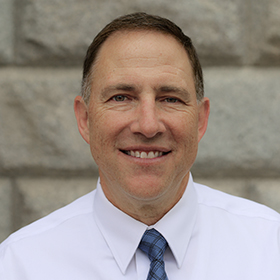
Bryce Bird
Director, Division of Air Quality
[email protected] | (801) 536-4064
Contact us
- Call us at (801) 536-4000
- Fax: (801) 536-4099
- For rural or local issues, such as air quality complaints or questions about permitting, your best first contact may be one of our District Engineers stationed across the state.
Find your District Engineer
Physical location
Multi Agency
State Office Building
195 North 1950 West
Salt Lake City, Utah
84116
Mailing address
P.O. Box 144820
Salt Lake City, Utah
84114-4820
Frequently Asked Questions
How do I file a complaint or report suspicious activities regarding air, smoke, dust, odors, etc.?
I have questions about dust control.
Visit the Dust Control and the Aggregate Industry page for more information about regulations and dust control plans.
How can I learn more about specific air pollutants?
Visit our Air Pollutants page for information about carbon monoxide, lead, nitrogen dioxide, ozone, particulate matter (pm10) and (pm2.5), and sulfur dioxide.
Where can I find information about asbestos?
Get information and resources on our Asbestos page at asbestos.utah.gov.
How do I request an item be placed on the Air Quality Board Agenda?
A request to place an item on the Air Quality Board agenda should be directed to the Executive Secretary of the Board.
How do I know what the air quality is right now?
We provide a daily air quality forecast to help you make informed decisions about your outdoor activities. The easiest way to check the current conditions and 3-day forecast is by using the UtahAir app (Android | iOS) or by visiting air.utah.gov.
The forecast uses the U.S. Environmental Protection Agency’s Air Quality Index (AQI), which is a color-coded guide for air quality health recommendations:
- Green means air quality is good.
- Yellow means air quality is moderate.
- Orange means the air is unhealthy for sensitive groups.
- Red, Purple, and Maroon mean the air is unhealthy for everyone.
For the detailed forecast, a full guide to the AQI, and links to download the UtahAir app for your smartphone, visit the main air quality forecasting website, air.utah.gov.
Do you offer rebates for electric lawnmowers?
We offer different seasonal incentive programs, like Charge Your Yard, to help Utah residents and businesses exchange their gas-powered lawn equipment for clean, electric alternatives.
Program availability, eligibility, and funding amounts can change from year to year. For the most current information, to see which programs are currently open, and to apply, visit the official program website.
You can also check with partners like UCAIR or your local city government, as they have offered similar rebates in the past.
How do I know what the air quality is right now?
DEQ provides real-time air quality data and a 3-day forecast to help you plan ahead. You can find the current conditions for your county, view interactive maps, and see trend data on the Utah Air website.
What is a temperature inversion?
Under normal conditions, air is warmer near the ground and gets colder at higher altitudes. During a winter temperature inversion, cold air gets trapped in a valley under a layer of warmer air, like a lid. Pollutants from vehicles, buildings, and industry get trapped in this cold air, leading to poor air quality.
Can I use my wood-burning stove or fireplace today?
During winter inversions, DEQ restricts or bans the use of solid-fuel burning devices to reduce particulate pollution. These actions are issued daily and are based on the air quality forecast. There are three levels of action: unrestricted, voluntary, and mandatory.
Where is vehicle emissions testing required in Utah?
Vehicle emissions tests are required in Cache, Davis, Salt Lake, Utah, and Weber counties.
Does my vehicle need an emissions test?
Requirements for emissions tests depend on the age of your vehicle and the county it is registered in. Generally, vehicles with model years less than six years old are tested every two years, while most vehicles older than that require a test every year. For specific requirements, check with the Utah Division of Motor Vehicles (DMV).
How do I report a smoking vehicle?
Smoking vehicle programs are managed by local health departments. DEQ provides a list of phone numbers and online reporting forms for each participating county.