Find comprehensive resources and essential guidance for Utah’s public water systems on Lead and Copper Rule compliance, management, and effective solutions for safe drinking water.
For water systems
Water system deadlines
June 30, 2026 – Routine lead and copper samples due for water systems on six month schedules. Find your system’s monitoring schedule. Reminder: 24-hour public notice requirement for lead action level exceedance.
July 1, 2026 – Water systems must submit a certificate of delivery for the service line material, public notifications to the Division of Drinking Water
Lead & copper sampling
Lead and Copper samples must be collected and submitted according to your water system’s monitoring schedule and Sample Site Plan.
Learn how to collect, where to take your samples and how often your system should be reporting results.
Lead service line inventory & replacement
Find guidance on how to complete your water system’s inventory. Funding is available for replacing Lead, or Galvanized Requiring Replacement (GRR) and possible reimbursement for your water system’s efforts in completing the service line inventory.
Lead-Free Learning
We are partnering with schools and childcare centers to test every consumable tap and work towards our shared goal of lead-free learning. Sampling and remediation resources are available. Water systems can verify the list of schools and childcare facilities that they serve.
Forms
Looking for a form that has to do with Lead or Copper? Check here for a full list of forms from sampling certification forms to submitting a non-lead form for your system’s inventory.
Sign up for our newsletter:
Emerging Contaminants & Lead Insights & Updates
Past newsletters
About lead & copper
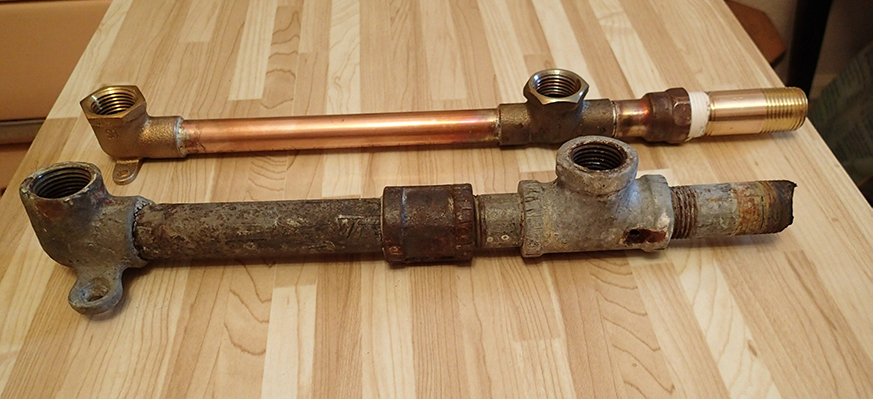
Lead and copper are naturally occurring metals that have often been used in indoor plumbing. Pipes and plumbing may contain lead, copper, or their alloys, such as brass; some solder used at copper pipe joints may also contain lead. Water, particularly corrosive water, can dissolve small amounts of these metals into drinking water. The potential for leaching increases the longer the water is in contact with plumbing components.
In 1991, the Environmental Protection Agency (EPA) issued the Lead and Copper Rule (LCR) to control lead and copper levels in drinking water. The LCR requires public drinking water systems to monitor drinking water at customer taps. If more than 10 percent of customer taps exceed the lead or copper action levels, the water system must implement processes to control corrosion.
More information about the lead and copper rule can be found at EPAs website.
Read frequently asked questions about lead in drinking water
Lead water line map
Use this map to browse available lead water line info from water systems across Utah.
What’s on the map
Water systems serving less than 50,000 people
Their data is displayed directly on this map.
Water systems serving 50,000+ people
Their data is linked from the map, if they have provided us a link.
Missing water line data?
If information about your water line is not available on the map, you can find contact info for your water system here to reach out to them directly.
How to search for your address
- Click on the down arrows icon in the upper right corner of the map
- Then, click on the magnifying glass icon that appeared below the arrows
- Enter your address in the search bar
- Click on the shape over your location on the map to see more details, including links to any info your water system has provided us
Disclaimer
The data displayed on this map is directly provided by community and non-transient non-community water systems who have shared their data with us.
We do not generate, verify, or guarantee the accuracy of this data. Please refer to the original reporting entities for additional details or confirmation.